
Journal
How to Care for Leather Goods
A practical leather care guide covering routine cleaning, careful conditioning, storage, water marks, and the signs that call for professional repair.
- Published
- Updated
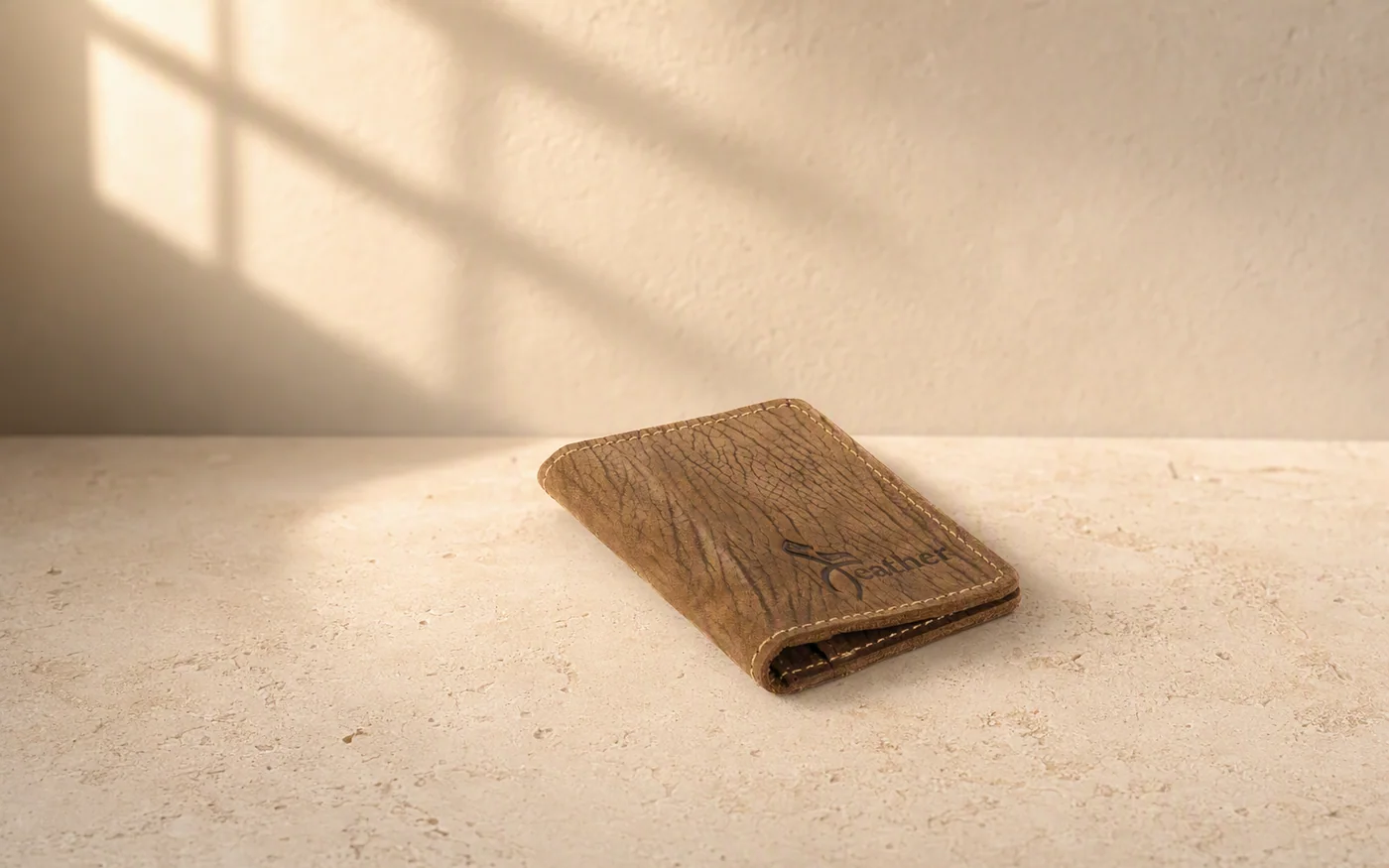
Begin by identifying what you have
Leather is not one uniform surface. Aniline, semi-aniline, pigmented, suede, and nubuck finishes respond differently to moisture, friction, and conditioner. Before applying anything, check the maker's care instructions and test the product on a concealed area. A treatment that deepens a smooth leather attractively may permanently darken an absorbent or pale finish.
Routine care should preserve the material rather than continually alter it. Look at the whole piece in natural light. Note dry areas, surface dust, changes in colour, loose stitching, and stressed folds. This quick inspection helps separate a cleaning need from a repair need and prevents unnecessary product from building up on the surface.
A simple routine for everyday use
For smooth leather, remove loose dust with a clean, soft, dry cloth. If the surface needs more attention, use a barely damp cloth and light pressure, then allow the piece to dry naturally. Avoid soaking seams and edges. Suede and nubuck generally need a dedicated brush and finish-specific guidance rather than the same cloth-and-conditioner routine used for smooth leather.
Empty wallets and small goods before cleaning so folds can relax and trapped particles can be removed. Work with clean hands, support the shape, and treat the full panel rather than rubbing one small mark aggressively. Heat, hair dryers, radiators, and prolonged direct sun can dry or distort leather, so patience is safer than forced drying.
- Wipe away dust before it becomes embedded in folds and stitching.
- Blot fresh moisture; do not scrub it across the surface.
- Let leather dry at room temperature with air circulating around it.
- Use a separate soft cloth for cleaning and for conditioning.
Condition sparingly, not automatically
Conditioner can replenish the feel of leather that has become dry, but more is not better. Choose a product intended for the leather's finish, read its directions, and test first. Apply a thin, even amount with a soft cloth; allow it to absorb as directed, then remove any excess. Heavy or repeated applications can change colour, soften structure, or leave a residue that attracts dust.
There is no universal conditioning calendar. Climate, frequency of use, finish, and exposure all matter. Let the material guide the decision: dryness and a less supple feel may justify treatment, while leather that remains balanced and flexible may need only cleaning. When uncertain, ask a leather-care or repair professional before experimenting.
Responding to rain, spills, and marks
For rain or a water spill, remove contents, blot gently with an absorbent colourfast cloth, and let the item dry away from direct heat. Lightly fill a bag or larger piece with plain, unprinted tissue to support its form without stretching it. Do not apply conditioner while the leather is still damp.
Oil, ink, dye transfer, and set-in stains are easy to spread or fix permanently with the wrong treatment. Stop before repeated rubbing, household detergent, alcohol, or improvised solvents create a larger mark. A specialist can assess whether cleaning is appropriate and whether a colour change is likely. Some marks will soften with use; others are damage rather than patina.
Store leather so it can rest
Store pieces clean and dry in a cool, ventilated place. Keep them away from damp rooms, sealed plastic for long periods, and surfaces that may transfer colour. A breathable dust bag is useful when available. Do not overfill wallets or leave bags hanging by their handles for months, because constant pressure can set folds and strain attachment points.
Repair is most effective before a small issue becomes structural. Loose stitches, lifting edge finish, unstable hardware, torn lining, or a handle beginning to separate deserve attention. Cleaning cannot correct these faults. Timely assessment may preserve more of the original material and keeps a care routine focused on maintenance rather than concealment.